How to Buy Cars from Facebook Marketplace as a Dealer (2026 Guide)
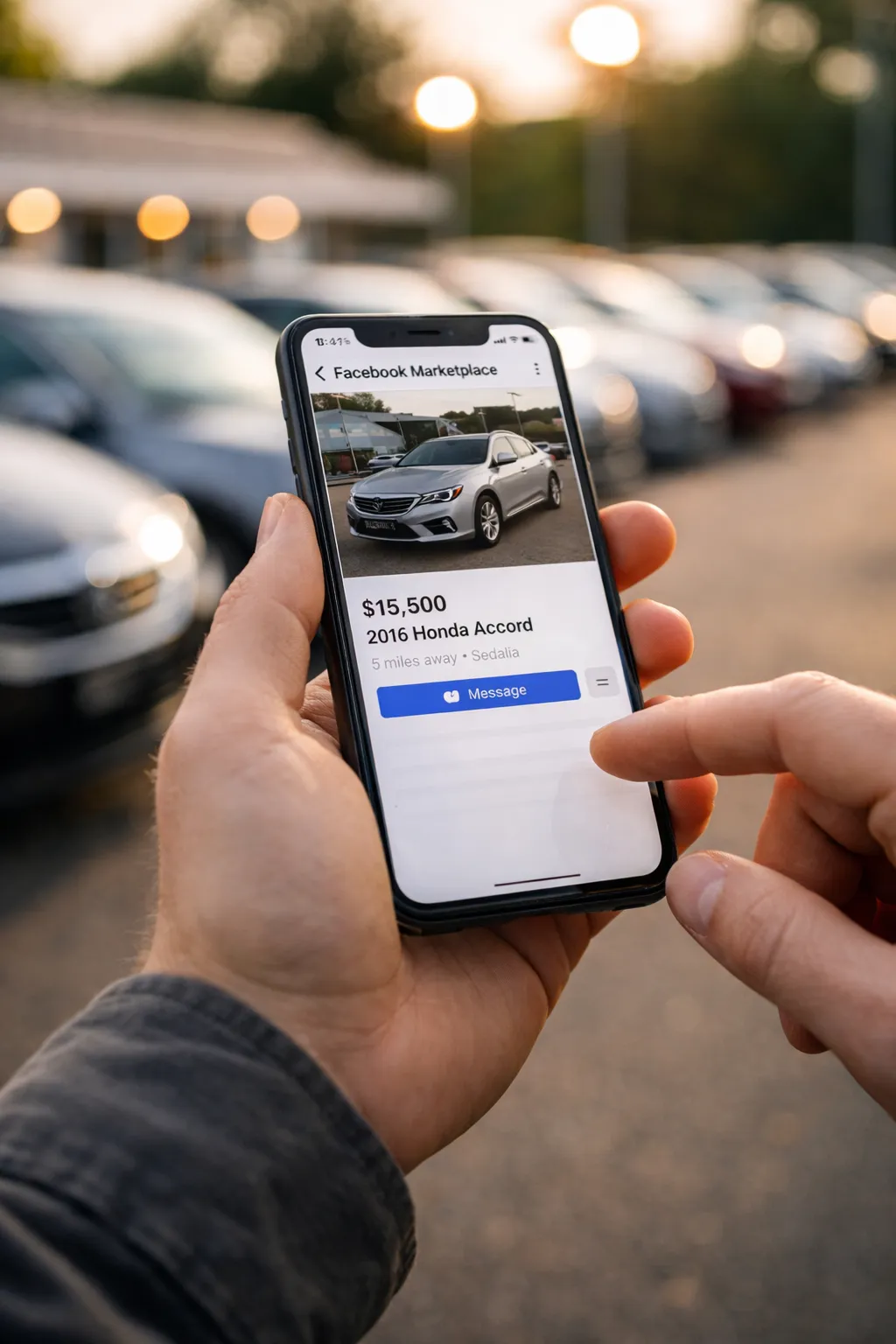
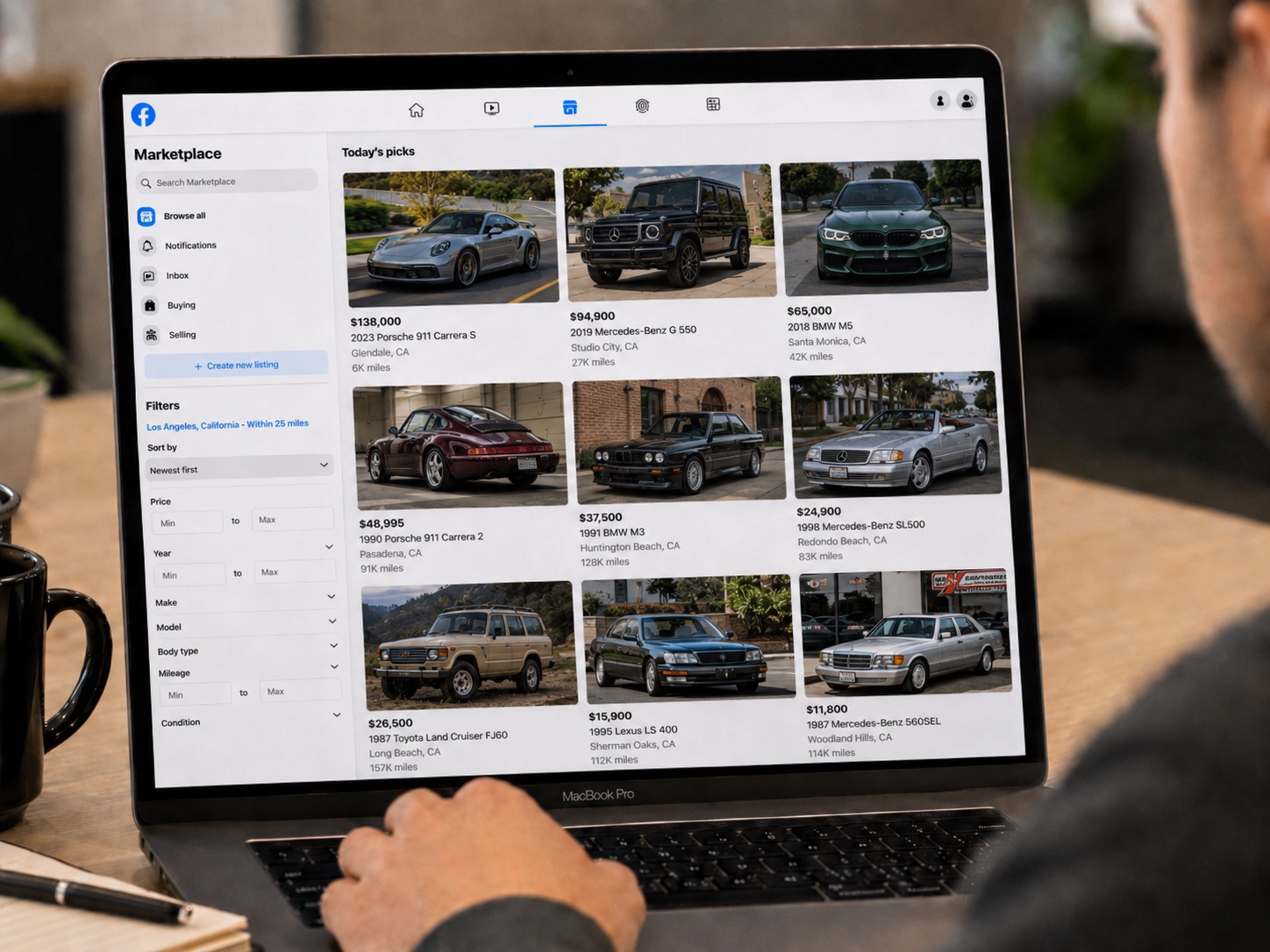
Facebook Marketplace has quietly become the largest used car marketplace in the United States. With over 1 billion monthly users browsing Marketplace globally and millions of vehicles listed at any given time, it's eclipsed Craigslist, Autotrader, and Cars.com as the go-to platform for private sellers looking to move their vehicles.
For dealerships, this represents an enormous sourcing opportunity. Private-party vehicles purchased through Facebook Marketplace typically carry $3,500–$7,000 in front-end gross—far more than the $1,337 average from auction purchases. But tapping into this marketplace effectively requires a different approach than buying at auction. Here's how to do it right in 2026.
Why Facebook Marketplace Dominates Used Car Sales
Facebook Marketplace has several structural advantages that have propelled it to the top:
- Zero listing fees: Unlike Cars.com or Autotrader, sellers pay nothing to list on Facebook. This means more listings and more inventory for buyers to browse.
- Massive built-in audience: Sellers don't need to drive traffic to their listing—Facebook's 2+ billion users are already there.
- Trust through profiles: Buyers and sellers can see each other's profiles, mutual friends, and activity history. This reduces friction in the transaction.
- Mobile-first: Most listings are created from phones, which means vehicles get listed faster—often within minutes of the seller deciding to sell.
- Local focus: Marketplace defaults to showing listings near the user, making it ideal for local vehicle purchases.
For dealers, the key takeaway is simple: if you're not sourcing from Facebook Marketplace, you're ignoring the largest pool of private-party inventory available.
The Challenges of Buying on Facebook Marketplace as a Dealer
While the opportunity is massive, there are real challenges to sourcing vehicles from Marketplace at scale:
1. Manual Browsing is a Time Sink
Facebook Marketplace wasn't designed for professional buyers. There's no bulk search, no saved search alerts (that actually work reliably), and no way to efficiently scan hundreds of listings per day. A buyer spending 2–3 hours per day manually scrolling through Marketplace is common—and that's time not spent closing deals.
2. Speed is Everything
The best deals on Marketplace move fast. An underpriced, low-mileage vehicle in good condition might get 20+ inquiries within the first hour. If you're checking Marketplace a few times a day, you're already too late for the best opportunities. The dealers who win consistently are the ones who respond within minutes of a listing going live.
3. Sorting Through Junk Listings
Marketplace is full of noise: dealer listings disguised as private-party sales, salvage titles, vehicles with undisclosed damage, unrealistic pricing, and listings with missing information. Without good filtering, you'll waste significant time on listings that don't meet your buy criteria.
4. Facebook's Algorithm is Unpredictable
Facebook controls what you see and when. Their algorithm prioritizes engagement, not relevance for professional buyers. You might see the same listings repeatedly while missing new ones that match your criteria perfectly.
Setting Up Effective Facebook Marketplace Searches
If you're going the manual route, here are the best practices for setting up your searches:
Step 1: Use the Vehicle-Specific Filters
Marketplace has dedicated vehicle filters including make, model, year range, price range, mileage, and body style. Use them. Starting with broad searches and scrolling endlessly is inefficient. Set specific criteria that match your ideal inventory profile.
Step 2: Set Your Radius Strategically
Most dealers find the sweet spot is 50–100 miles. Too small and you miss inventory; too large and the logistics of inspecting and transporting vehicles become prohibitive. Consider your market density—urban dealers can use a smaller radius than rural ones.
Step 3: Search Multiple Times Per Day
New listings appear throughout the day, with peaks in the early morning (7–9 AM), lunch hour (12–1 PM), and evening (6–9 PM) when sellers have time to create listings. Checking at least 3–4 times daily during these windows improves your chances of catching fresh listings.
Step 4: Save and Rotate Searches
Don't search for the same thing every time. Create a rotation of search criteria: one for your bread-and-butter inventory (Toyota Camrys, Honda CRVs, etc.), one for high-margin specialty vehicles, and one for anything priced significantly below market value regardless of make/model.
Best Practices for Contacting Sellers
Finding the listing is only half the battle. How you reach out to sellers makes a huge difference in your conversion rate:
Be Fast
Respond within minutes, not hours. The first serious inquiry a seller receives often wins the deal. Have your messaging templates ready to go so you can reach out immediately.
Be Personal (Not Salesy)
Sellers on Facebook Marketplace are wary of dealers. They often prefer selling to another individual because they assume a dealer will lowball them. Your first message should be personal and direct: mention the specific vehicle, ask a genuine question about its condition or history, and avoid sounding like a scripted sales pitch.
Offer Convenience
Your biggest advantage as a dealer is that you can make the process easy. Offer to come to them for the inspection, handle all paperwork, and pay immediately. Many sellers will accept a slightly lower price in exchange for a hassle-free transaction. Emphasize that you can close the same day with cash or certified funds.
Be Transparent
If you're a dealer, say so—but frame it as a benefit. "I run a small dealership and I'm always looking for well-maintained vehicles like yours. I can make the process quick and easy—I'll come to you, handle all the paperwork, and pay you today." Honesty builds trust and avoids the awkwardness of a seller discovering you're a dealer mid-conversation.
Follow Up (Once)
If your first message doesn't get a response within a few hours, send one follow-up. Don't be pushy—a simple "Just wanted to make sure my earlier message came through. Still interested in your [vehicle] if it's available!" is enough. If there's no response after that, move on.
How to Automate Facebook Marketplace Sourcing
Manual browsing works when you're sourcing 1–2 vehicles per month. But if you're serious about building a private-party acquisition pipeline, you need automation. Here's where tools like backlist.io come in.
backlist.io continuously monitors Facebook Marketplace (along with Craigslist, Cars.com, and Autotrader) and delivers new listings to your dashboard in real-time. Instead of manually scrolling through Marketplace multiple times per day, you get:
- Instant alerts when a vehicle matching your criteria is listed
- AI-powered filtering that removes dealer listings, salvage titles, and other noise
- Market value estimates so you can instantly see if a vehicle is priced below market
- One-click access to the original listing so you can respond immediately
The result? Instead of spending 2–3 hours per day browsing Marketplace, your team gets notified the moment a relevant vehicle is listed—and they can be the first to reach out to the seller.
Putting It All Together: A Daily Sourcing Workflow
Here's what an effective Marketplace sourcing workflow looks like:
- Morning (8 AM): Review overnight alerts from your monitoring tool. Reach out to sellers of the top 3–5 vehicles that match your buy criteria.
- Midday (12 PM): Check for new listings. Follow up on morning outreach. Schedule inspections for any vehicles where the seller has responded positively.
- Afternoon (3 PM): Conduct inspections and close deals. Update your search criteria based on what you're seeing in the market.
- Evening (6 PM): Quick scan for new evening listings. Send outreach messages for any fresh opportunities.
Dealers who follow this kind of structured workflow consistently source 5–10+ vehicles per month from Facebook Marketplace alone—at margins that make auction purchases look like charity.
Start Sourcing Smarter
Facebook Marketplace isn't going away—it's only getting bigger. The dealers who build systems for sourcing from Marketplace today will have a significant competitive advantage over those who continue to rely solely on auctions.
Whether you start with manual searches or jump straight to automation with a tool like backlist.io, the key is to start. Every vehicle you source from a private seller instead of an auction is money back in your pocket.
Not sure if the economics work? We crunched the numbers in The Real ROI of Private Party Acquisition. And if you're comparing tools, see how backlist.io stacks up against VettX.
Want to see how backlist.io automates Facebook Marketplace sourcing? Book a free demo and we'll show you real-time listings in your market.
Ready to see real-time listings?
Book a free demo and we'll show you live private-party listings in your market.