I Sourced 130 High-Line Cars Private Party — The Full Playbook
Wholesale lanes are tight, fees keep climbing, and everybody's bidding on the same cars. The dealers winning right now are doing something simpler: buying clean inventory directly from private sellers, often thousands below what the same car would cost at auction. Here's how to do it well—and a tool that makes finding those cars a lot less painful.
A bit about me: I used to run a high-line store called PurMotive in Hunt Valley, Maryland. Over the last 18 months I've bought roughly 130 high-line cars, all sight unseen, all private party. I did this with in-house acquisition software I created that collected listings from all marketplaces so I could scalp the best deals. The last few months I've shifted my focus toward distributing that software to dealers, but I'm still engaged in a small Bring a Trailer operation—so everything here comes straight from the trenches.
Why Private-Party Sourcing Works
A private seller isn't paying auction fees, isn't moving 200 cars a month, and usually just wants the car gone without the hassle. That gap—between what a retail-minded seller thinks their car is worth and what they'll actually take to make it easy—is your margin.
Speed Is the Whole Game
If you take one thing away, take this: the first person to call a well-priced private listing usually gets the car. Good deals don't sit. The dealer who calls in the first 20 minutes—not the one who messages and waits—wins. Everything else in this article matters, but none of it matters if you're slow.
The Three Kinds of Listings
Once you start watching the market closely, almost every private listing falls into one of three buckets, and each one calls for a different play:
- The clean, motivated deal. Someone who's owned the car a long time and just wants it gone—or who took it to a dealership, got a lowball offer, and is trying to net a little more by selling it themselves. These are great deals at a fair price. The play here is pure speed. Be first, be easy, close it.
- The fair-to-market car. Priced okay but a touch high. These sit a little longer, so it's not just about speed—it's about working the seller. Build rapport, stay in the conversation, and be the buyer who's still there when they're ready to move.
- The overpriced car that sits. Priced too high and going nowhere. Don't ignore it—track it. After a few weeks (sometimes days), the seller gets worn down by tire-kickers and no-shows, and you swoop in and pull them back to reality. Seller fatigue is your friend.
So really there are two ways to win: speed to the best deals, and patience with the fatigued sellers who are tired of the games.
Get Off the Platform — Fast
Treat the marketplaces like dating apps: the goal is to get their number and get on a phone call as fast as you can. With Facebook Marketplace and the rest, the barrier to message a seller is so low that they're drowning in lowballs and flakes. A phone call instantly sets you apart—it adds credibility and shows them you're real.
On that call: act genuinely interested in the car first. Ask real questions. Then tell them you're a dealer. You can lead with it, but done wrong it blows up the deal—there's a finesse to it. The line I use:
"Just because I'm a dealer doesn't mean I'm here to lowball you—I'm not in the business of wasting my time or yours."
That reframes "dealer" from lowballer to serious, fast buyer.
Negotiating a Car That's Already a Good Deal
When the car's already priced right, don't grind on the headline number—work the small imperfections. Point out the little stuff a private buyer would balk at, and lean on your edge: "As a dealer I can get that fixed for way less than you can—but it'll scare off most retail buyers." Then be fair about it. If a fix runs $1,000, don't ask for the whole grand—meet in the middle, take $500 off. You stay reasonable, they feel respected, and the deal closes.
And always make the seller name their number first. My classic line is "if I wire you tomorrow"—which you can swap for "if I come tomorrow," "if you come to me tomorrow," and so on—"and bring a check and/or cash, what would be your best number on the car?" I always have them give me this number, then I work back from there. You'd be surprised occasionally how low people are willing to go.
That said, don't be afraid to pay ask—or even, in rare cases, over ask—for a great deal you know will do really well in your store. When a car is going to sell quick, trying to grind the seller down a few hundred bucks is cutting off your nose to spite your face. If you don't bite, someone else will. Know the difference between a deal worth working and a deal worth just taking.
Buy the Seller, Not Just the Car
One of the most important habits: you're buying the seller as much as the car. A good car at a good price owned by someone young or sketchy has probably been thrashed. That same car owned by someone older or financially comfortable has almost always been cared for. If the seller throws up red flags, I'll pass on the deal entirely—I'd rather buy a solid car from a solid person at a solid price than an ultra-cheap car from an ultra-sketchy seller. The cheap one costs you on the back end every time.
Keep the Deal Hot
Most dealers reading this are bringing cars to the store—having the seller come to you, or a quick drive out to them. That works great, if you keep the excitement alive. Set the call up right, set expectations, and move fast: same-day or next-day is where deals actually close. Heat fizzles. The longer it drags, the more likely a really good deal slips away—sometimes a seller sitting on a steal doesn't even want to come in, so it's on you to keep it hot.
For what it's worth, in my high-line days I bought ~95% of my cars sight unseen—but if the seller's local, going in person or getting them to your lot goes a long way. Bottom line: being willing to hop in the car and drive 20, 30, 60 minutes for the right deal is often what nets you the extra 4–5 grand on the front.
A Quick Word on Prep
Ask the seller for the VIN and a few preliminary questions before calling, then get yourself prepared to make the phone call. Use tools like Carfax, vAuto, and the like to run the numbers, and walk into the call with three figures already set: your ideal purchase price, your best purchase price, and the max you're willing to pay.
Where backlist.io Comes In
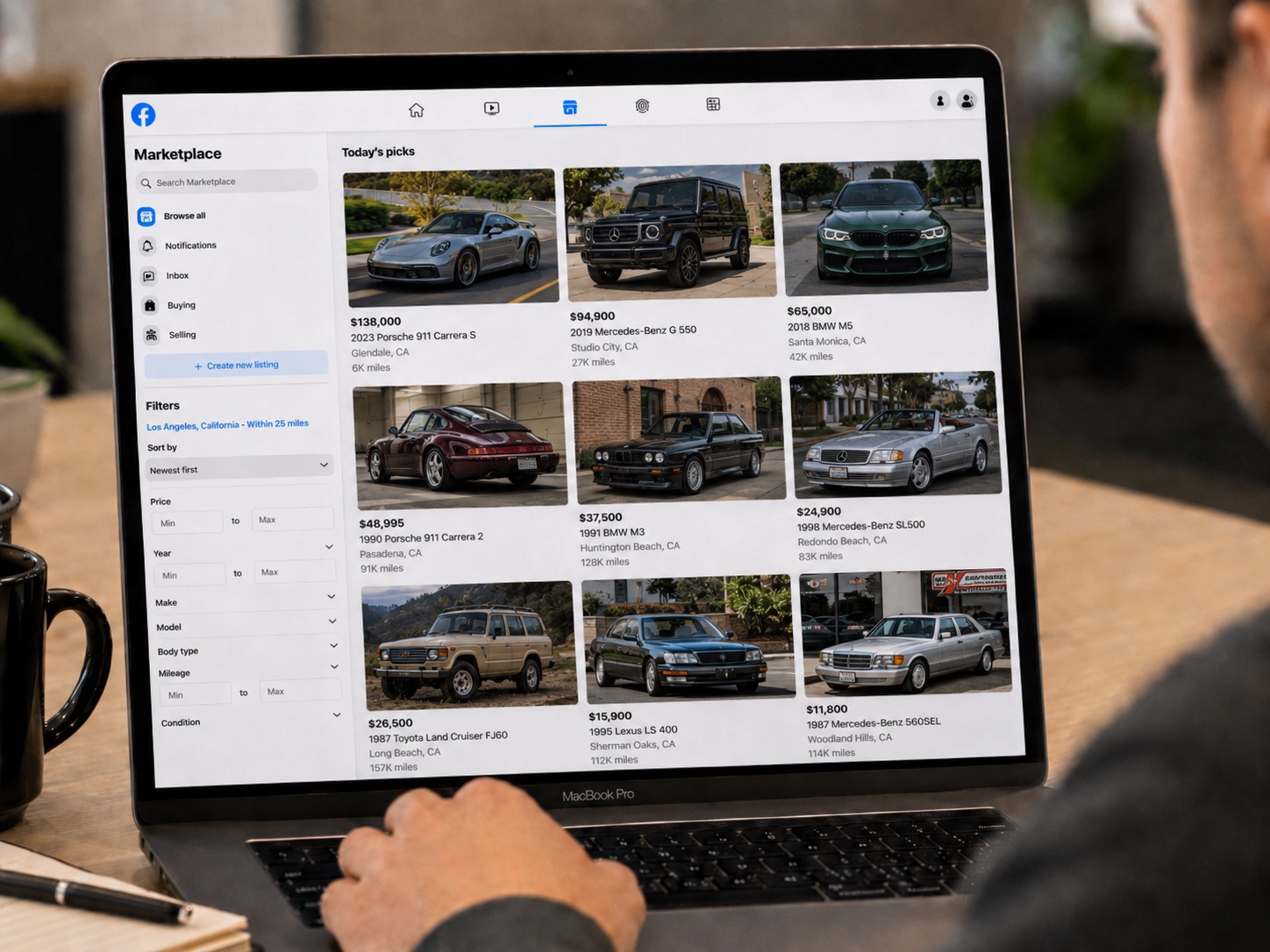
Here's the problem with everything above: the hardest part isn't the negotiation—it's finding the right cars before someone else does, fast enough to be first. Listings are scattered across Facebook Marketplace, Craigslist, and a dozen other sites, and the good ones vanish in minutes.
backlist.io aggregates private-party car listings from across the web into one searchable feed, with market-value pricing and deal grading built in, so you can instantly see which cars are actually underpriced. Set your filters—make, model, mileage, price, region—and get alerted the moment a deal hits, instead of refreshing Marketplace all day. It's built for exactly the game above: be first to the great deals, and keep tabs on the overpriced ones until the seller's ready to deal.
Ready to see real-time listings?
Book a free demo and we'll show you live private-party listings in your market.